Regional Traditions Shape Deployment Patterns for Emerging Digital Gambling Services in Southeast Asia
Jakob Jenkins · Sep 21, 2026
Regional Traditions Shape Deployment Patterns for Emerging Digital Gambling Services in Southeast Asia
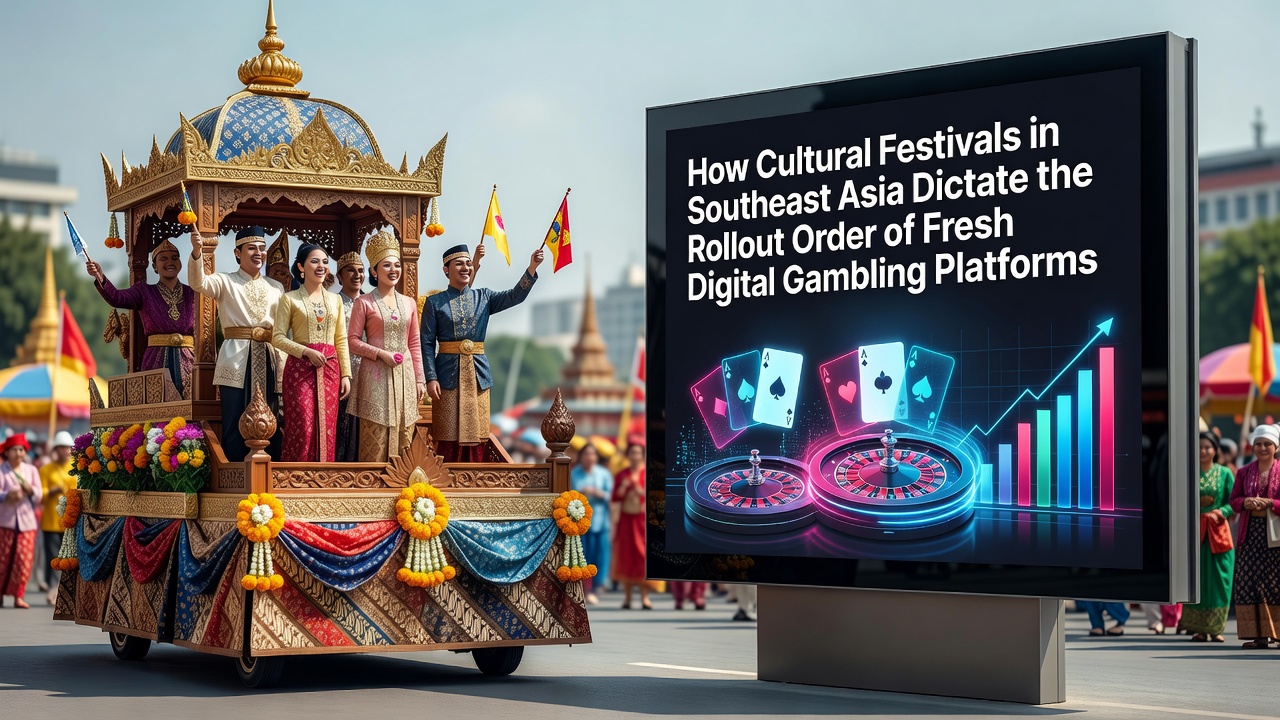
Traditional celebrations across Southeast Asia continue to influence when operators introduce new digital gambling platforms, with launch schedules often aligning around events that drive shifts in user engagement and regulatory activity. Observers note that companies monitor calendars closely because festivals create predictable windows of heightened mobile usage while certain jurisdictions impose temporary restrictions or heightened oversight during peak celebration periods.
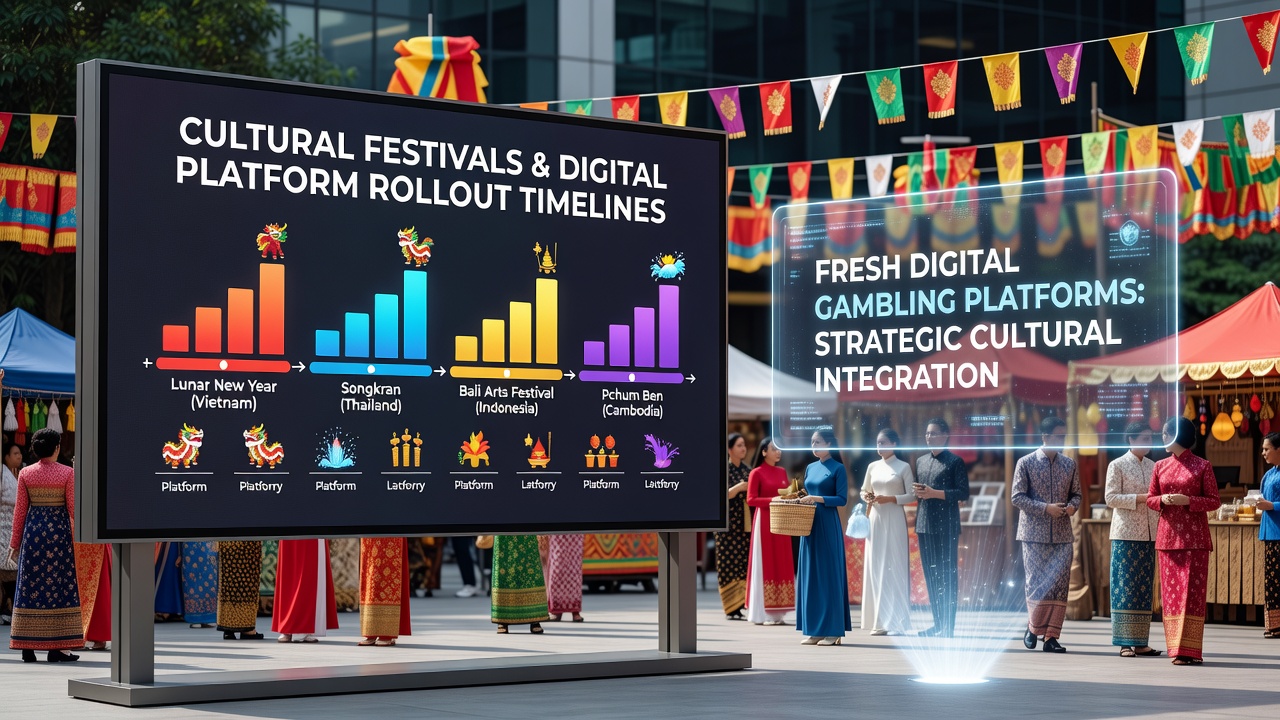
Data from multiple markets shows that operators frequently time their market entries to follow major holidays rather than precede them, allowing teams to adjust marketing approaches after initial regulatory reviews conclude. In Vietnam for instance, platforms often activate full operations in the weeks following Tet because traffic patterns stabilize and payment systems return to normal capacity, while Thailand sees similar sequencing around Songkran when tourism numbers and online activity both rise.
Festival Calendars Drive Sequencing Decisions
Operators examine annual schedules that include Lunar New Year observances, harvest celebrations, and religious fasting periods to determine optimal rollout order across countries. Researchers at regional institutions have documented how these events create staggered demand curves, with platforms prioritizing Malaysia and Indonesia entries after Hari Raya periods conclude because compliance teams can then focus on post-festival reporting requirements without overlapping holiday closures.
What's interesting is how operators coordinate launches so that one market goes live while another remains in pre-launch testing, spreading resource demands across different festival cycles. This approach allows technical teams to address issues in one jurisdiction before the next holiday window opens in a neighboring country.
Regulatory Interactions With Cultural Events
Government agencies in the region often adjust licensing timelines around national holidays, which in turn affects when platforms can begin accepting users. According to reports from the Philippine Amusement and Gaming Corporation, processing times extend during major observances because staff availability decreases, prompting operators to submit applications well in advance of events like Christmas and New Year celebrations.
Similar patterns appear in Cambodia and Laos where authorities align inspection schedules with local festival dates, creating natural gaps between approval stages. Platforms therefore sequence their submissions so that documentation reaches regulators during quieter periods, reducing the chance of delays that could push launches into less favorable market conditions.
Market-Specific Timing Examples
One study from the National University of Singapore examined traffic data across multiple platforms and found that user acquisition costs drop measurably in the weeks after major festivals when promotional budgets from competing services decrease. Operators therefore often complete final testing phases during festival periods themselves so they can activate accounts immediately afterward when audiences return to regular routines.
In September 2026 the Mid-Autumn Festival period is expected to follow the same pattern, with several platforms scheduled to complete licensing steps in Singapore and Malaysia just before the holiday so they can begin operations once celebrations end. This timing lets marketing teams prepare campaigns that reference seasonal themes without conflicting with any temporary content restrictions that sometimes accompany religious observances.
Payment and Technical Considerations
Banking systems and payment processors also operate on reduced schedules during festivals, which forces platforms to finalize integration testing before these slowdowns begin. Observers note that successful operators complete these technical milestones during the months leading up to major events, then shift focus to compliance documentation while transaction volumes remain low.
Those who've tracked multiple launches report that platforms entering multiple markets simultaneously often stagger their go-live dates by two to three weeks to match the different festival calendars of each country. This method spreads customer support demands and prevents teams from being overwhelmed when several markets experience simultaneous post-holiday traffic spikes.
Conclusion
The connection between cultural festivals and digital gambling platform deployment continues to shape how operators plan their expansion across Southeast Asia. Regulatory bodies, payment providers, and user behavior patterns all align with these annual events, creating a predictable framework that companies use to determine rollout sequences. As markets evolve, the same calendar-driven logic appears likely to guide future platform introductions in the region.